
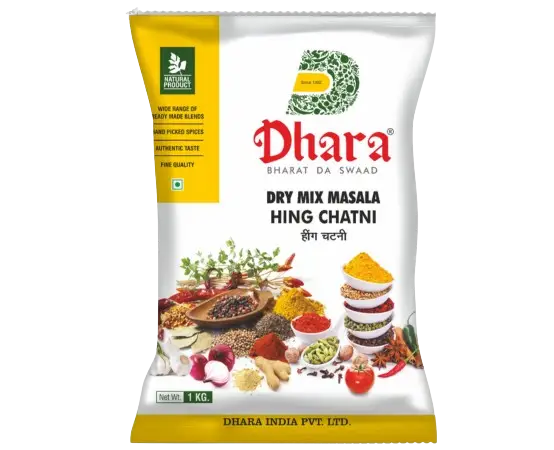
Hing Taste – A Complete Guide to the Unique Flavor of Pure Hing
Hing, also known as asafoetida, is one of the most important spices used in Indian cooking. It has been a part of traditional kitchens for centuries and is loved for its strong aroma and unique taste. Although hing is used in very small quantities, it has the power to completely change the flavor of a dish.
Many people who smell hing for the first time may find its aroma very strong and unusual. However, once it is added to hot oil or ghee during cooking, its flavor transforms into something rich, savory, and delicious. This is the reason why hing is considered a special ingredient in Indian cuisine.
What Does Hing Taste Like?
The taste of hing is difficult to compare with any single spice because it has a unique flavor profile. It offers a combination of savory, slightly bitter, pungent, and umami flavors. When used correctly, hing adds depth and richness to food without overpowering other ingredients.
Raw hing has a very strong smell that many people describe as sharp or sulfur-like. However, when cooked, the strong aroma softens and develops into a pleasant onion-garlic-like flavor. This makes hing a popular choice for people who do not eat onion or garlic but still want a rich and flavorful taste in their food.
Why Is Hing So Popular?
One of the biggest reasons for hing’s popularity is its ability to enhance the overall taste of dishes. A small pinch of pure hing can make simple recipes taste more flavorful and aromatic.
Hing is commonly used in:
- Dal and lentil dishes
- Vegetable curries
- Namkeen products
- Pickles
- Chutneys
- Snacks and mixtures
- Traditional Indian recipes
Its strong flavor blends well with spices such as cumin, coriander, turmeric, black pepper, and red chili powder.
The Flavor Transformation During Cooking
The magic of hing happens when it is added to hot oil or ghee. At this stage, the harsh raw smell disappears and transforms into a rich, savory flavor.
This process helps release the natural compounds present in hing, creating a pleasant aroma that spreads throughout the dish. The result is a balanced taste that adds warmth and depth to food.
For best results, hing should always be added to hot oil at the beginning of cooking. This ensures that its flavor develops properly and mixes evenly with the other ingredients.
Hing in Indian Cuisine
Indian cooking relies heavily on spices to create unique flavors, and hing plays a special role in many regional recipes. It is especially popular in North Indian, Rajasthani, Gujarati, and South Indian cuisines.
In dal recipes, hing adds a rich flavor that complements lentils perfectly. In vegetable dishes, it provides an extra layer of taste that makes the food more enjoyable. In namkeen manufacturing, hing is often used to create a distinctive spicy and savory flavor that customers love.
Many traditional recipes use hing because of its ability to improve both taste and aroma.
Difference Between Pure Hing and Compound Hing
The quality of hing has a significant impact on its taste.
Pure Hing
Pure hing offers a stronger aroma, richer flavor, and better cooking performance. Only a small quantity is required to flavor a large amount of food.
Compound Hing
Compound hing contains additional ingredients such as flour, gum, or starch. Its flavor is milder compared to pure hing and often requires a larger quantity during cooking.
For the best taste experience, many chefs and food manufacturers prefer high-quality pure hing.
Hing Taste in Namkeen Products
Hing is widely used in namkeen and snack production because it adds a unique savory flavor that customers instantly recognize.
Popular namkeen products that use hing include:
- Bhujia
- Sev
- Mixtures
- Mathri
- Khakhra
- Spicy snacks
The slight pungency of hing balances the flavors of salt, spices, and seasonings, creating a more enjoyable snacking experience.
Health Benefits Associated with Hing
Apart from its taste, hing has also been valued in traditional Indian households for its digestive properties. Many people add hing to dal and bean-based dishes because it may help reduce gas and improve digestion.
Traditional uses of hing include:
- Supporting digestion
- Reducing bloating
- Enhancing appetite
- Improving overall flavor of meals
While hing is primarily used as a spice, its traditional benefits have contributed to its popularity for generations.
How Much Hing Should Be Used?
Because hing has a strong flavor, only a small pinch is usually enough. Using too much hing can make a dish overly pungent and affect the balance of flavors.
A small quantity can flavor an entire pot of dal or vegetable curry. This is why high-quality pure hing is considered both effective and economical.
Conclusion
Hing is a unique spice that adds a rich, savory, and aromatic flavor to food. Although its raw smell may seem strong, cooking transforms it into a delicious ingredient that enhances the taste of countless dishes. From traditional Indian recipes and dal preparations to namkeen manufacturing and spice blends, hing continues to be an essential ingredient in kitchens and food industries.
Its ability to provide onion-garlic-like flavor, improve aroma, and enhance overall taste makes pure hing one of the most valuable spices in Indian cooking. Whether used in home kitchens or commercial food production, hing remains a trusted ingredient for creating flavorful and memorable dishes.
Reviews
There are no reviews yet.